
Why Marketing is Obsolete for Medical Practices
It’s time to create the distinction between mass marketing and personalized experiences.

It’s time to create the distinction between mass marketing and personalized experiences.
A year into the pandemic, most of us have figured out new routines when it comes to work as well as home life. But what hasn’t escaped is the emotional toll that’s been exacted, something that exists between the joy of life at one end of the spectrum and outright depression at the other: the feeling of “meh.”
Many doctors worry about how to be viewed as unique and special in their customer’s eyes. However, the things they do in their practice actually do the opposite. Are you practicing commoditization? The antidote is customization. In this blog post learn how to make your medical practice as valuable and rare as an NFT!
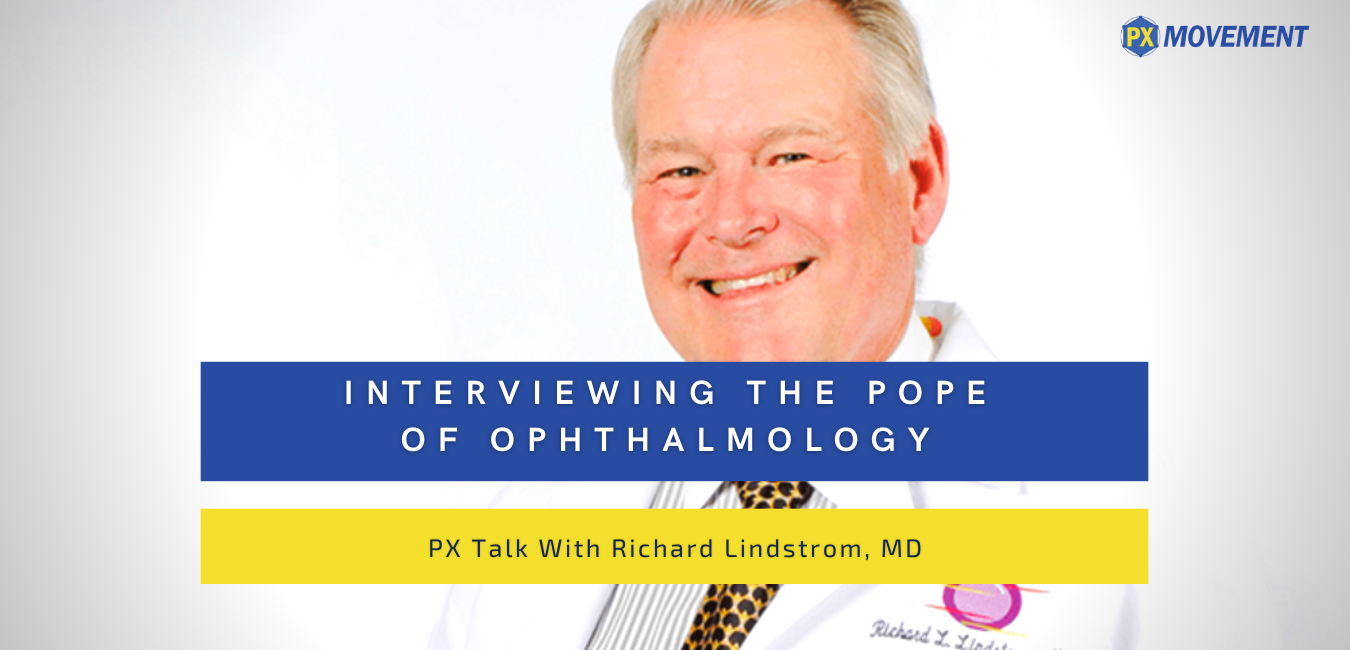
Richard Lindstrom, MD is arguably the single most influential ophthalmologist in today’s world. Surgeon, inventor, family business owner, venture capitalist, teacher, medical editor and Harley Davidson enthusiast. He spoke with me about one of his key influences as a young doctor.

I’ve long been an admirer of online retailer Zappos and what they accomplished to create a unique and vibrant culture for employees. When their leader and CEO Tony Hsieh passed away several months ago, I hadn’t given much thought to what his absence would mean for the future of the employee culture. In this blog post I take some insights from this company and its recent change in leadership, to question how medical practices can measure and strengthen their own internal culture.
With all the focus on improving the experience, here’s the truth: Behind every great customer experience is a team that is dedicated, resourced and rewarded to make it happen. No matter how much a doctor may want to improve the overall patient experience in the practice, he or she cannot do it alone or with the help of one person. It takes a team!
Most doctors tell me that their main source of business is patient referrals. What I’ve observed over the years is a poor understanding of how reciprocity works in relationships in a way that is beneficial to both the patient and the provider.
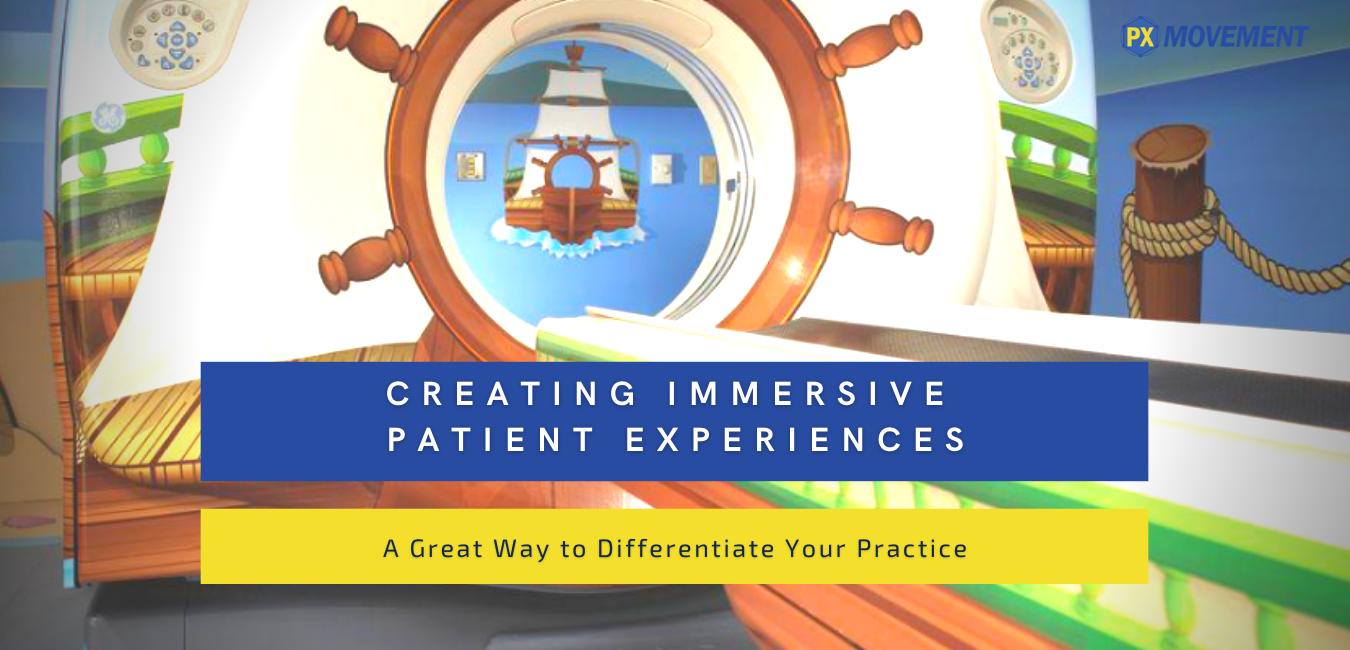
Greater immersion leads to more engaging experiences and a higher likelihood that today’s patients can’t help but send you tomorrow’s new patients. It’s definitely time to recognize that the practice of 1991 is not going to cut it when it comes to expectations patients have in 2021.
As a society, we’ve largely come to take innovation for granted…especially in healthcare. New modes of imaging, operating and implanting aim to help doctors offer solutions to improve the lives of their patients.

Many doctors fancy themselves to be good negotiators. Perhaps this is true when it comes to their purchases of equipment and expenditures in their personal lives. But when it comes to how their practices handle fees and discounting, there’s a lot of room for improvement.